Spice Journal · 06 Entries
Every spice has a story.
Short notes on the field, the blend, and history. Rotates every 7 seconds — click any dot to jump.
Maraş · Kahramanmaraş
N° 02
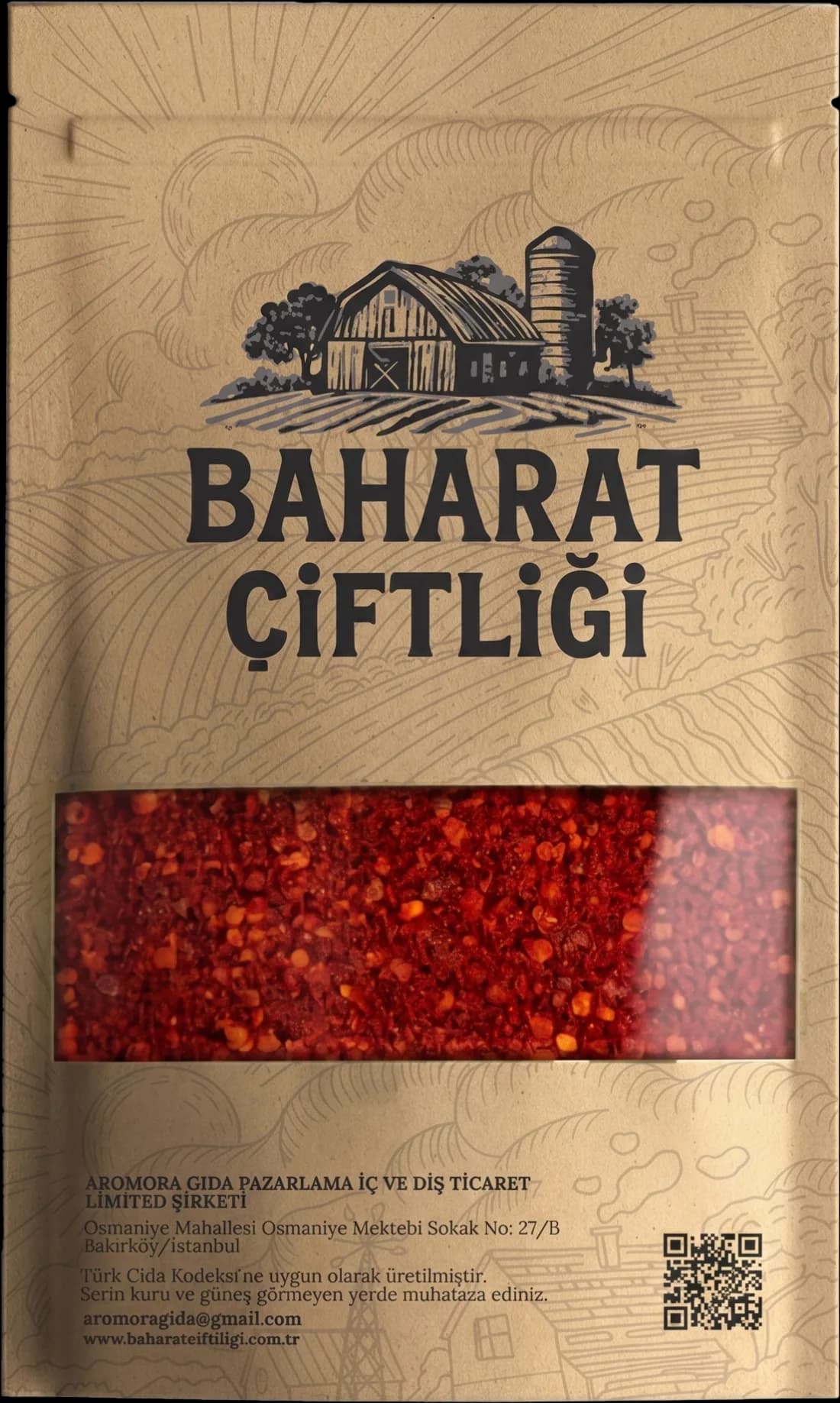
Red Pepper Flakes
A burnt-sweet signature from the soil.
Did you know?
Maraş peppers are first sun-dried for 10–12 hours, then shade-dried. This two-stage drying preserves color and aroma simultaneously — which is why the flakes taste both sweet and smoky.
India
N° 03
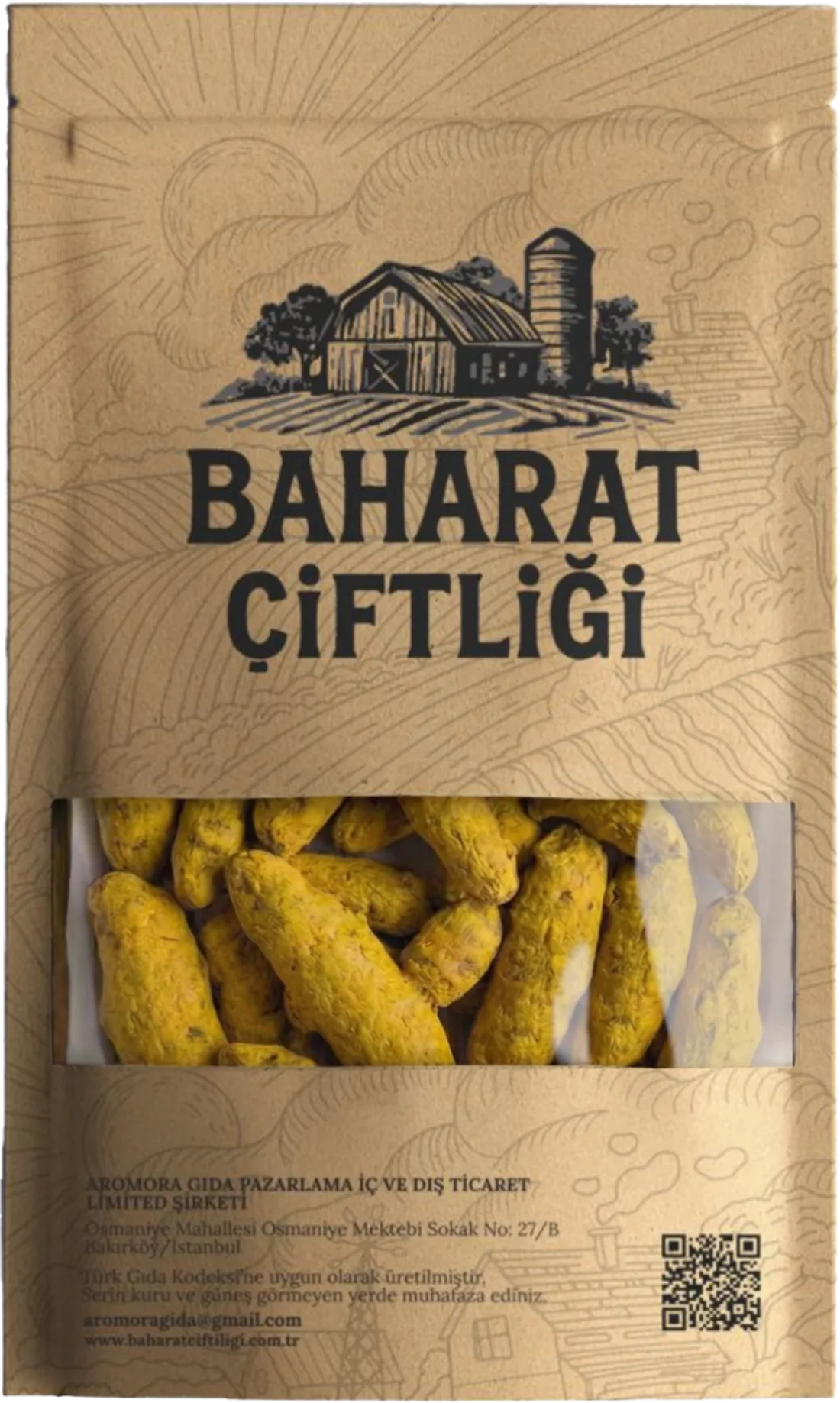
Turmeric
The sacred earth's yellow memory.
Did you know?
Used for 4,000 years, turmeric was never just a spice. In Hindu tradition it was rubbed into a bride's skin before her wedding. It first reached these lands along the Spice Road.
Aegean · Muğla, Aydın
N° 04
Thyme
The dry wind of rocky slopes.
Did you know?
Wild thyme with the richest essential oil grows above 1,500 m in the Aegean. As altitude rises, the plant produces more aromatic oils to defend itself — higher elevation means deeper aroma.
Southeast · Urfa, Antep
N° 05
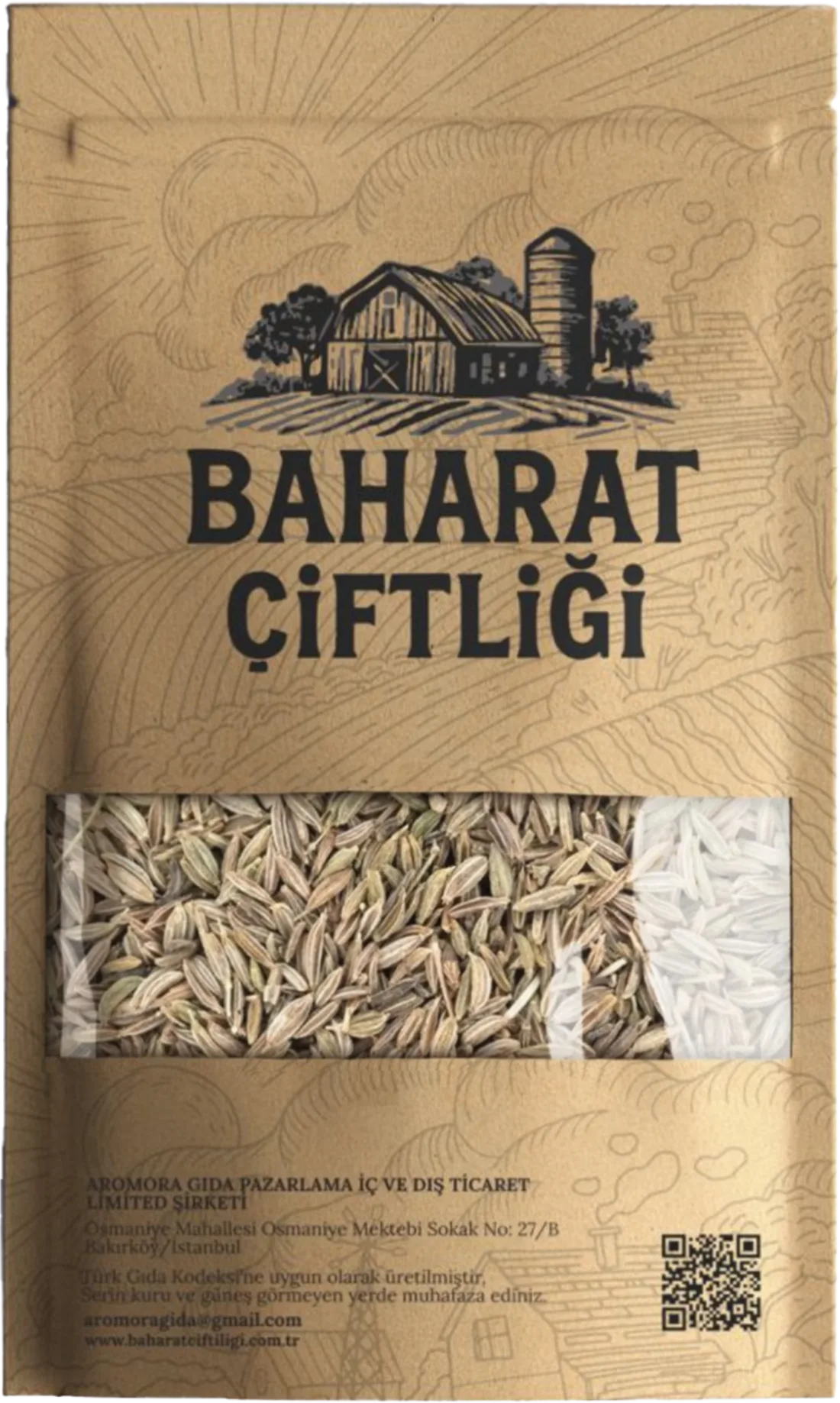
Cumin
The spice gold of the Middle Ages.
Did you know?
In Rome and medieval Europe, cumin was so valuable it was accepted as a form of rent. Farmers could pay their landlords in cumin — which is why it was called 'spice gold'.
Mediterranean · Antep, Urfa
N° 06
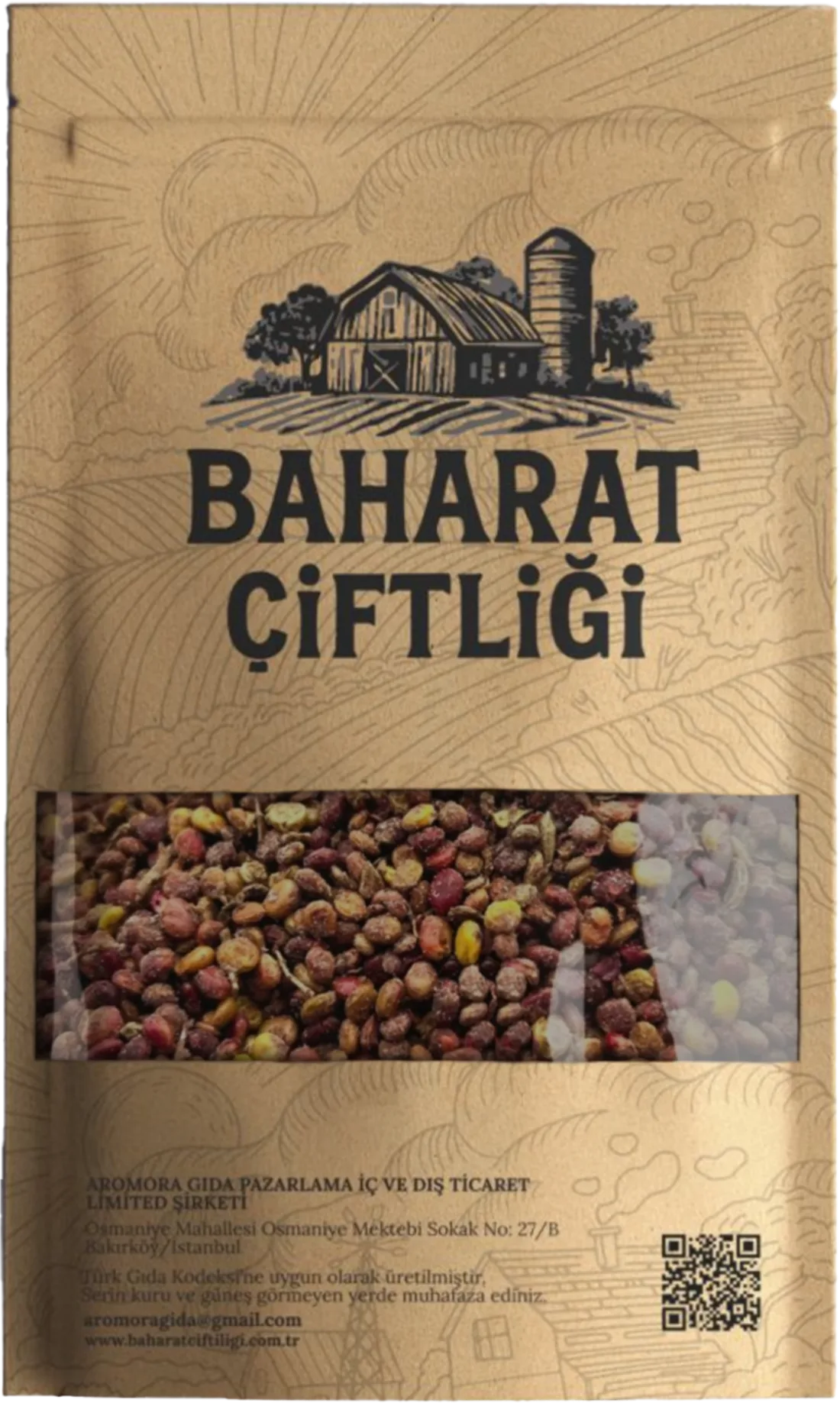
Sumac
Tartness before lemons.
Did you know?
Before lemons became common in Ottoman kitchens, sumac was the main acid on the table. Used in meats, salads, even as a drink — it served as both sourness and antioxidant.
Blog · Spice Notes
From the kitchen to the field — tracing the spice.
From history to recipes, production stories to blend secrets — a new piece every week.
- History
- Recipe
- Production
- Blend